Clara Simon · 20 October 2026
Charting Integration Pathways Between Tailored Memo Systems and External Workflow Tools for Sustained Operational Continuity
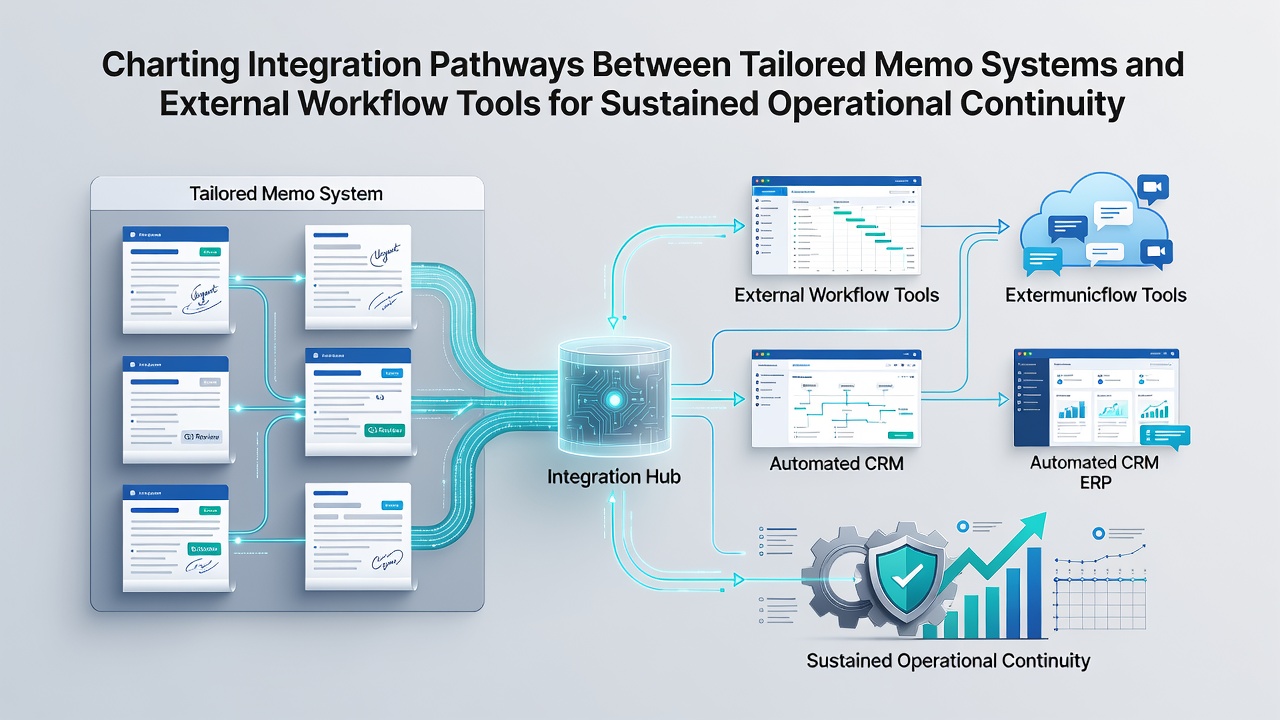
Organizations across sectors continue to explore methods for linking specialized memo systems with broader workflow platforms, and data from multiple studies shows these connections support consistent operations over extended periods. Researchers at institutions in North America and Europe have documented how custom memo tools capture granular details while external systems handle task routing, approvals, and reporting cycles. In October 2026 several enterprise software updates introduced standardized APIs that simplify such connections, allowing teams to maintain records without manual transfers between applications.
Core Components of Memo and Workflow Integration
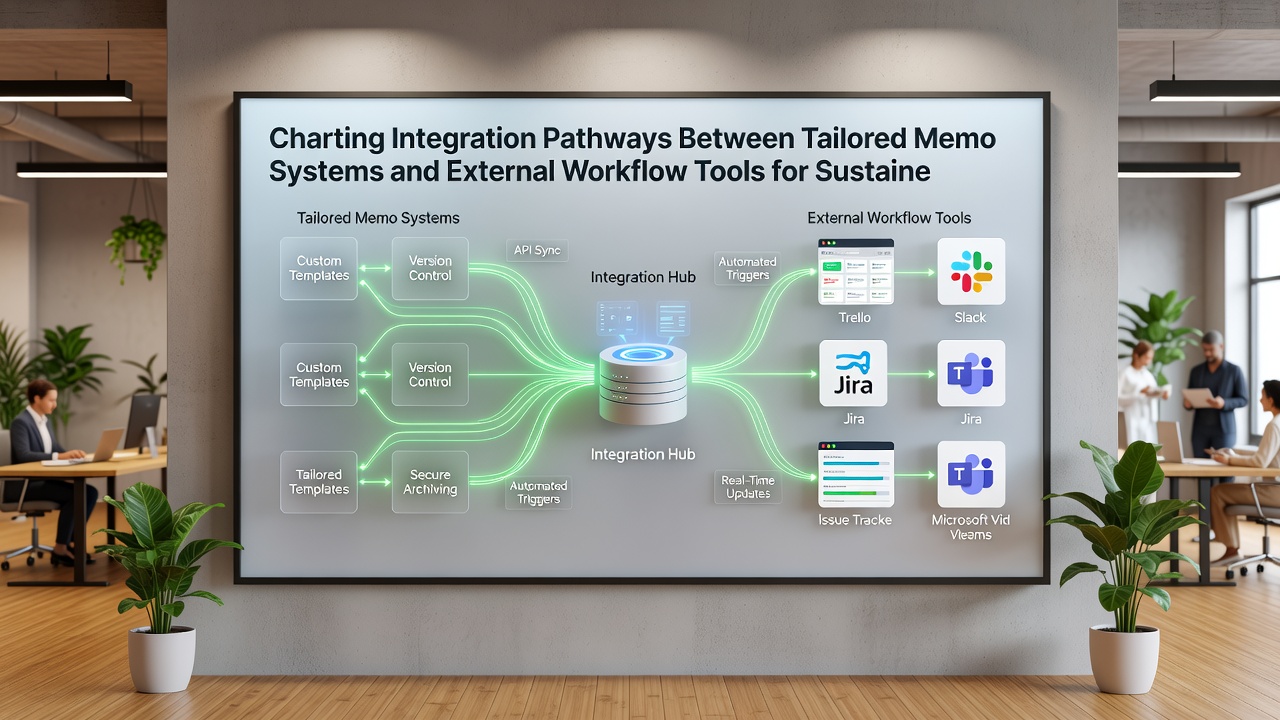
Tailored memo systems store contextual notes tied to specific projects or processes, whereas external workflow tools manage sequences of actions across departments. Integration occurs through secure data bridges that synchronize timestamps, user assignments, and status flags between the two environments. According to figures released by the Australian Digital Transformation Agency, companies using these bridges reduced duplicate data entry by 47 percent in fiscal year 2025. Observers note that the pathways rely on event-driven triggers so that a memo update automatically queues a related task in the workflow layer without requiring constant polling.
Technical Pathways and Data Mapping
Developers establish pathways by mapping memo fields to workflow variables through JSON schemas or XML structures, and they apply role-based permissions to limit visibility during transfers. Middleware solutions from vendors in the European Union and Canada handle encryption during transit while preserving audit trails for compliance reviews. Studies conducted at the University of Melbourne indicate that organizations adopting these mappings achieved 92 percent uptime in cross-system communications during simulated outage scenarios. Yet configuration requires careful alignment of metadata standards so that date formats, priority levels, and ownership tags remain consistent across platforms.
Additional layers often include conditional logic that routes memos containing certain keywords directly into escalation queues inside the workflow system. This setup prevents information silos while preserving the lightweight nature of memo creation. Teams in manufacturing and logistics have reported that such routing cuts response times to operational issues by several hours on average.
Operational Continuity Through Connected Systems
Sustained continuity depends on fallback mechanisms that activate when one platform experiences latency or downtime. Integration pathways frequently incorporate queueing services that store pending transfers until connectivity resumes, and these services log every attempt for later reconciliation. Research from the National Institute of Standards and Technology highlights that redundant pathways using both direct API calls and message brokers increase recovery speed after disruptions. Those who have implemented dual-path designs observe fewer instances of lost context between memo entries and workflow milestones.
Security considerations remain central because memo content may contain sensitive operational details that must not leak during synchronization. Token-based authentication combined with scoped access tokens limits exposure, while regular key rotation follows guidelines issued by standards bodies in multiple regions. In practice, organizations schedule quarterly reviews of these pathways to verify that encryption protocols and access logs continue to meet regulatory expectations.
Implementation Patterns Observed in Practice
One documented pattern involves phased rollouts where a pilot department tests the memo-to-workflow link before wider deployment. This approach allows teams to refine field mappings and notification rules based on actual usage data. Another pattern uses event logs from the workflow tool to trigger memo summaries at project milestones, creating a chronological record that supports later audits. Data collected by Statistics Canada shows that firms following phased patterns encountered 30 percent fewer integration errors than those attempting full-scale launches immediately.
Monitoring dashboards aggregate metrics such as transfer success rates, average latency, and error frequency, and these dashboards often feed into existing business intelligence platforms. Alerts generated from these metrics notify administrators when thresholds are breached, enabling proactive adjustments before continuity is affected.
Conclusion
Integration pathways between tailored memo systems and external workflow tools rest on standardized data exchange, secure authentication, and resilient queuing mechanisms. Evidence gathered through 2026 demonstrates measurable gains in operational continuity when these elements operate together. Continued refinement of API standards and monitoring practices supports organizations seeking reliable connections across their information environments.